You Cut Down on Salt. You Take Your Tablets. So Why Is Your Blood Pressure STILL High?

Leading Functional Cardiologist Reveals the Overlooked Factor That May Be Behind Stubborn High Blood Pressure — And Why Conventional Care Often Misses It
My name is Dr. Rebecca Holt, and I'm a functional medicine cardiologist with over 10 years of clinical experience working with patients struggling with cardiovascular problems that never seem to fully respond to the standard approach.
And there's one frustrating pattern I see over and over again.
People cut back on salt.
They start walking every morning.
They lose weight.
They take their medication exactly as prescribed.
Yet every time that cuff tightens around their arm, they're silently hoping they won't see that number climbing again.
142/88.
148/92.
Sometimes higher.
And eventually, almost every patient asks me some version of the same question:
“If I'm doing everything they told me to do… why is this still happening?”
It's an important question.
Because your blood pressure reading tells you that pressure is elevated.
But it doesn't necessarily explain everything happening inside your cardiovascular system that may be contributing to the bigger picture.
And that's where I believe too many conversations stop too early.
For years, cardiovascular health has been managed largely by watching numbers.
Blood pressure.
LDL cholesterol.
Triglycerides.
Get one number down.
Then another.
And if one starts climbing again, adjust the approach and keep watching.
But eventually I started asking a different question:
What if some of these numbers are warning lights… while an important process inside the arteries is continuing largely out of sight?
That question changed the way I looked at cardiovascular health.
The Shocking Truth About What's Actually Happening Inside Your Arteries

To understand why, you first need to understand something most people have never been taught about cholesterol.
When most people hear the word “cholesterol,” they immediately think:
High LDL = bad. Low LDL = good.
That's how we've been trained to look at it.
Another number on a lab report that needs to come down.
But the amount of LDL circulating in your bloodstream isn't the only thing that matters.
What happens to those LDL particles while they're circulating matters too.
And this is where the story becomes much more interesting.
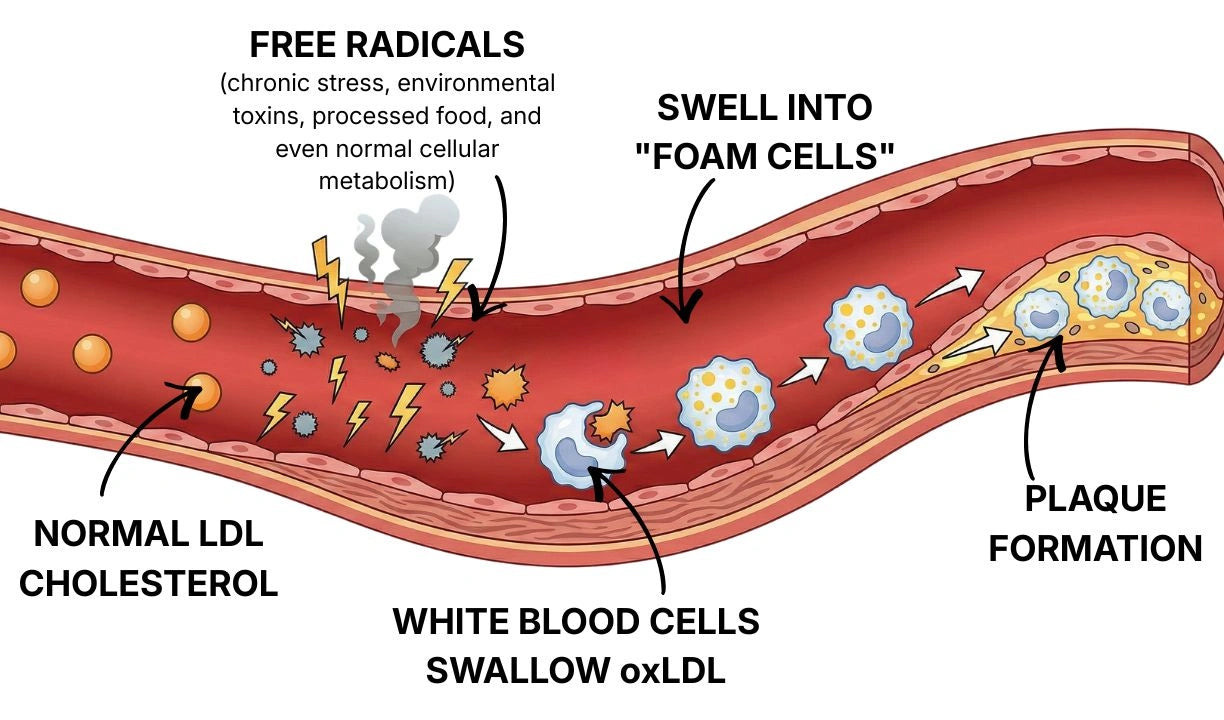
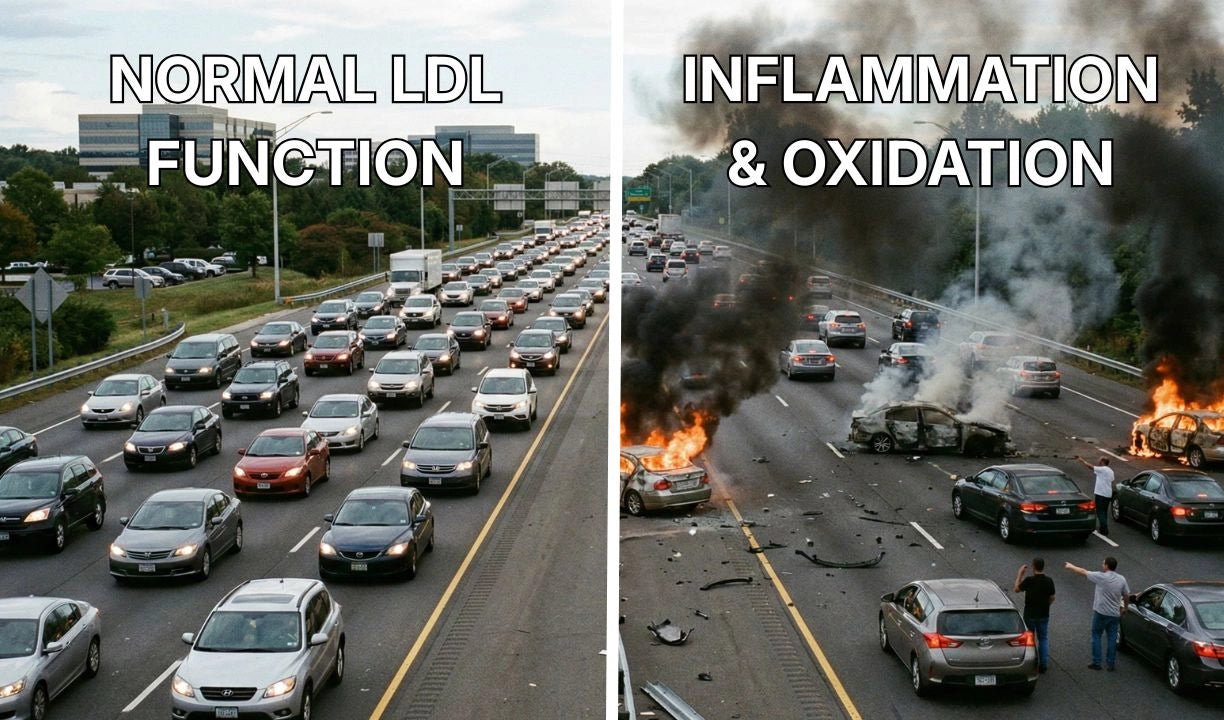
LDL can undergo a process known as oxidation.
Once that happens, the particle behaves very differently inside your cardiovascular system.
And understanding that distinction is the key to understanding what may be happening inside your arteries even while you're focused on the numbers you can see.
Top Functional Cardiologist: This Is the Real Reason Your LDL Keeps Climbing No Matter What You Do (And Why Your Doctor Will Never Explain It)
The Shocking Truth About What Actually Makes Cholesterol Dangerous
Why 75% of People Who Have Heart Attacks Had "Normal" Cholesterol
Why Every Standard Approach Fails for the Same Reason

Why Your Doctor Won't Explain This in a Standard Appointment
The Compound That Actually Protects LDL at the Point of Attack
What I've Seen in My Practice: One Patient's Story
Why Most Astaxanthin Products Won't Do What I'm Describing
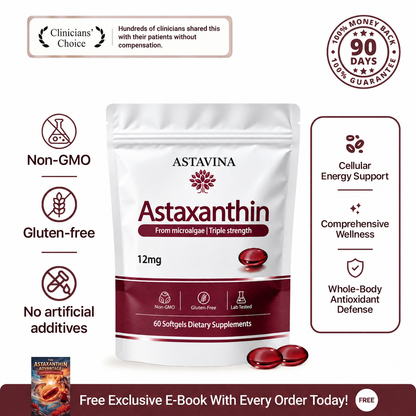
The Brand That Meets the Standard: Rovina Astaxanthin 12mg

Save 60%
Buy 1, Get 1 FREE
Most Popular

Save 67%
Buy 2, Get 2 FREE
Best Value

Save 70%
Buy 3, Get 3 FREE
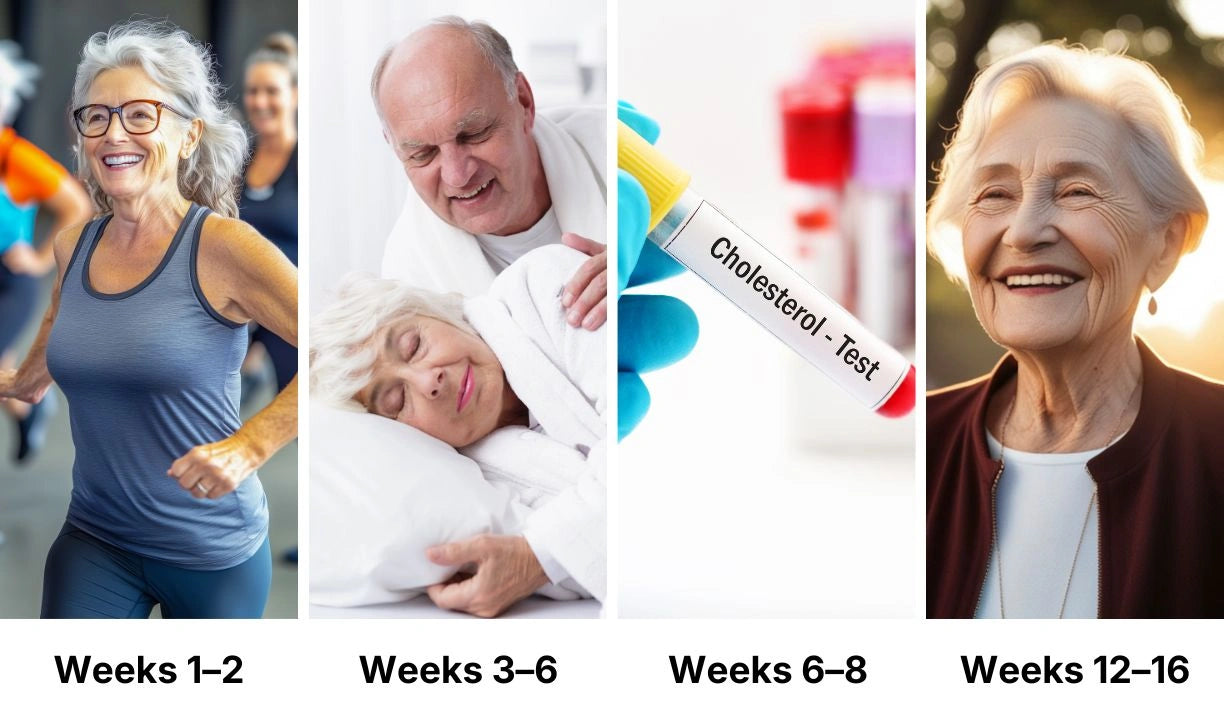
What to Expect and When
Who This Is Most Relevant For

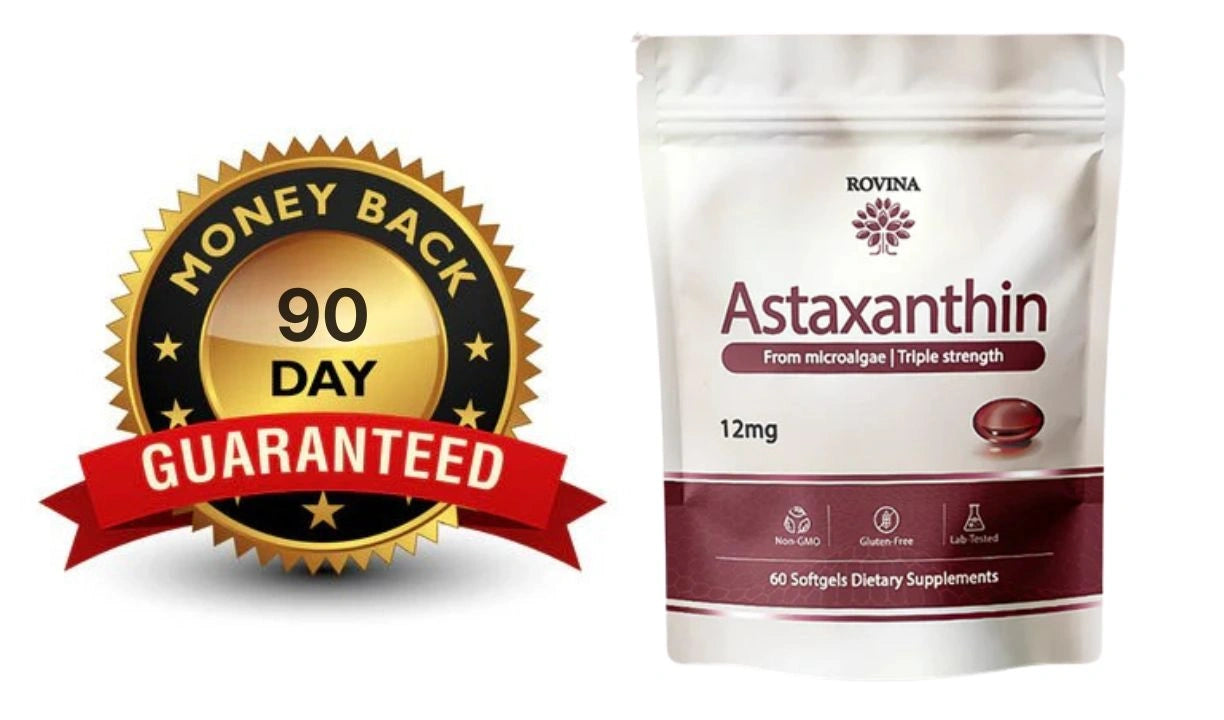
Zero Risk: The 90-Day Guarantee
A Final Word